Matcha SpotMatcha Spot

A world of matcha

Explore flavor profiles, per-gram pricing, lab results, and unbiased reviews for thousands of matcha powders.

Popular:Uji, Kyoto matchaYame, Fukuoka matchaGokou cultivarBrowse all

Voted most helpfulPopular reviews

Find a matcha to review
westonJun 21, 2026
8.5

Nice and refreshing, but pricey (if you didn't get Kettl's promo)

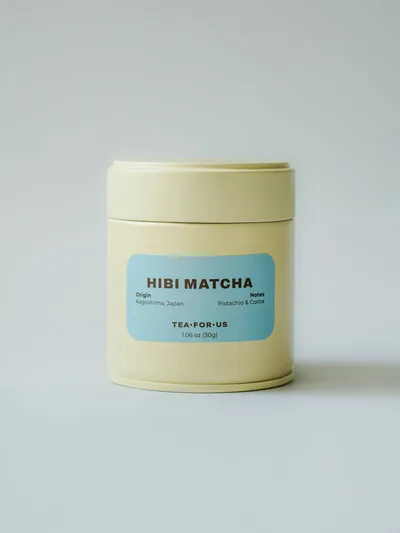
This was my first taste of a matcha from Kagoshima, so I was pretty excited, not to mention I got it for free from one of Kettl's BOGO deals. The taste was lighter than most Uji matcha, but still packed a nice umami punch. I also noticed more pronounced sweetness. Barely detected any bitterness. Overall, it was a really nice and refreshing deviation from what I've been drinking lately. My main gripe is the price - $2/gram - assuming I had to pay retail. It's just too much for something that doesn't wow me. I understand it's from a small and emerging farmer, but my wallet is less sympathetic. I might consider it in the future if they offer a larger size at a discounted per gram price.

meli55
meli55Jun 21, 2026
9.0

Such a good value for lattes...so hard to find!!!

I was lucky enough to try Hoshino's Mokuren at a friend's house who purchased it during their trip to Japan. She got a 100g bag for around $40!! Mokuren is marketed as a culinary matcha so I tried it as latte with oat milk. It was delicious. A nice nutty taste with slight bitterness that cut through the milk and prevented it from tasting flat. I did take a little sip of the plain tea with water as we were prepping it and the bitterness was a bit much for me, so I wouldn't recommend it as usacha. Overall I can't think of a "culinary" grade matcha for lattes I've had that tasted this good. It's too bad finding any Hoshino matcha in stock is like finding the holy grail! Oh well...I guess it's another excuse for me to finally plan a trip to Japan.

3 found this helpful

MokurenHoshino Seichaen
westonMay 20, 2026
8.5

Shiga Okumidori, exactly what I look for

This is the kind of listing that gets me every time. Single-cultivar Okumidori grown in Tsuchiyama in Shiga instead of the usual Uji suspects, made by a level-9 chashi at a house that's been at it since the 1800s. It's legit. Nutty and herbaceous with a quiet fruit note, and that long finish Kettl promises is no joke, it sits on the back of the palate well after you swallow. I go light, about 2g in 3oz, partly to stretch a 20g tin and partly because it has enough going on that it doesn't need to be so concentrated. The only catch is price. At $1.90 a gram this is a treat tin, not a daily sipper, and I can name cheaper teas that get me 80 percent of the way there. But you're paying for terroir you can't get anywhere else, and once in a while that's worth it to me.

3 found this helpful

TsuchiyamaKettl
Tested, not claimed

Lab results on the powders themselves

We collect published lab reports for heavy metals and radiation and show the measured values in standardized units on each powder page. Different sources test against different standards, so we skip the pass/fail stamps, link every report, and let you read the numbers yourself. Browse tested powders

Pb · Cd · As · Hg
Heavy metals
Cs · I
Radiation
Linked
Every source report
How Matcha Spot works

An independent catalog, rated in the bowl

Matcha Spot catalogs ceremonial, premium, and culinary matcha from dozens of producers, whether that means a centuries-old Uji tea house or a grower releasing their first single-cultivar tin. Every powder gets a flavor profile across umami, sweetness, bitterness, and astringency, pricing normalized per gram, and its growing region and cultivar on record.

Ratings come from the community and from our own tastings, on a 0-10 scale. Reviews are moderated before they publish, and where brands or independent labs publish contaminant testing, we show the measured results alongside.

Common questions
What’s the difference between ceremonial and culinary matcha?+

There is no “official” designation for ceremonial vs culinary matcha. They are both marketing terms. Typically, matcha marketed as ceremonial grade is made from the youngest shaded leaves and is meant to be prepared traditionally with water. Culinary grade is bolder and more bitter, which is intended for lattes and baking.

Why does origin matter for matcha?+

Region shapes flavor. Uji (Kyoto) is known for deep umami and refined sweetness, Yame (Fukuoka) for rich, nutty bowls, and Kagoshima for bright, vegetal energy from younger fields.

How are the 0-10 ratings decided?+

Community members rate each matcha they’ve prepared, and our expert reviews score against a consistent tasting rubric. Product pages show both, separately, so you can weigh them your way.